
Entry posted by dljbsp in Hidden Wonders
824 views
The Boiling Bubble
At the beginning, it’s just a pot.
Water. Heat. Waiting.
In an episode of Star Trek: The Next Generation, Data—an android who approaches life with precise logic—is standing with a kettle when someone asks what he’s doing.
He answers calmly:
“I have been testing the aphorism, ‘a watched pot never boils.’ I have boiled the same amount of water in this kettle sixty-two times. In some cases I have ignored the kettle; in others, I have watched it intently. In every instance, the water reaches its boiling point in precisely 51.7 seconds.”
Riker looks at him and says, “Why don’t you turn off your chronometer and see what happens?”
And Data replies, “Thank you, sir. I will try that.”
It’s a light moment. Almost funny. But it clears away the superstition. Watching didn’t matter. Timing didn’t matter. The pot boiled because of what was happening inside the water.
So what is happening?
At first, the water looks calm. Still. But heat is being added—not as something you can see, but as motion. The water molecules begin to move faster. They bump into one another more often. They need more room than liquid water allows.
Then bubbles appear.
This is where most of us were taught wrong.
The bubbles are not air.
The bubbles are not oxygen escaping.
The bubbles are the water.
The bubbles are still H₂O.
The bubbles are the water passing through water.
Nothing foreign is being pushed out. Nothing extra is being removed. The substance hasn’t changed. Only the spacing. Only the restraint.
We are boiling the water out of the water.
And once part of the water becomes vapor and escapes, what remains is less than what it was before. It doesn’t quietly return on its own. It has to cool. It has to condense. It has to be built back up.
That makes a common phrase sound different.
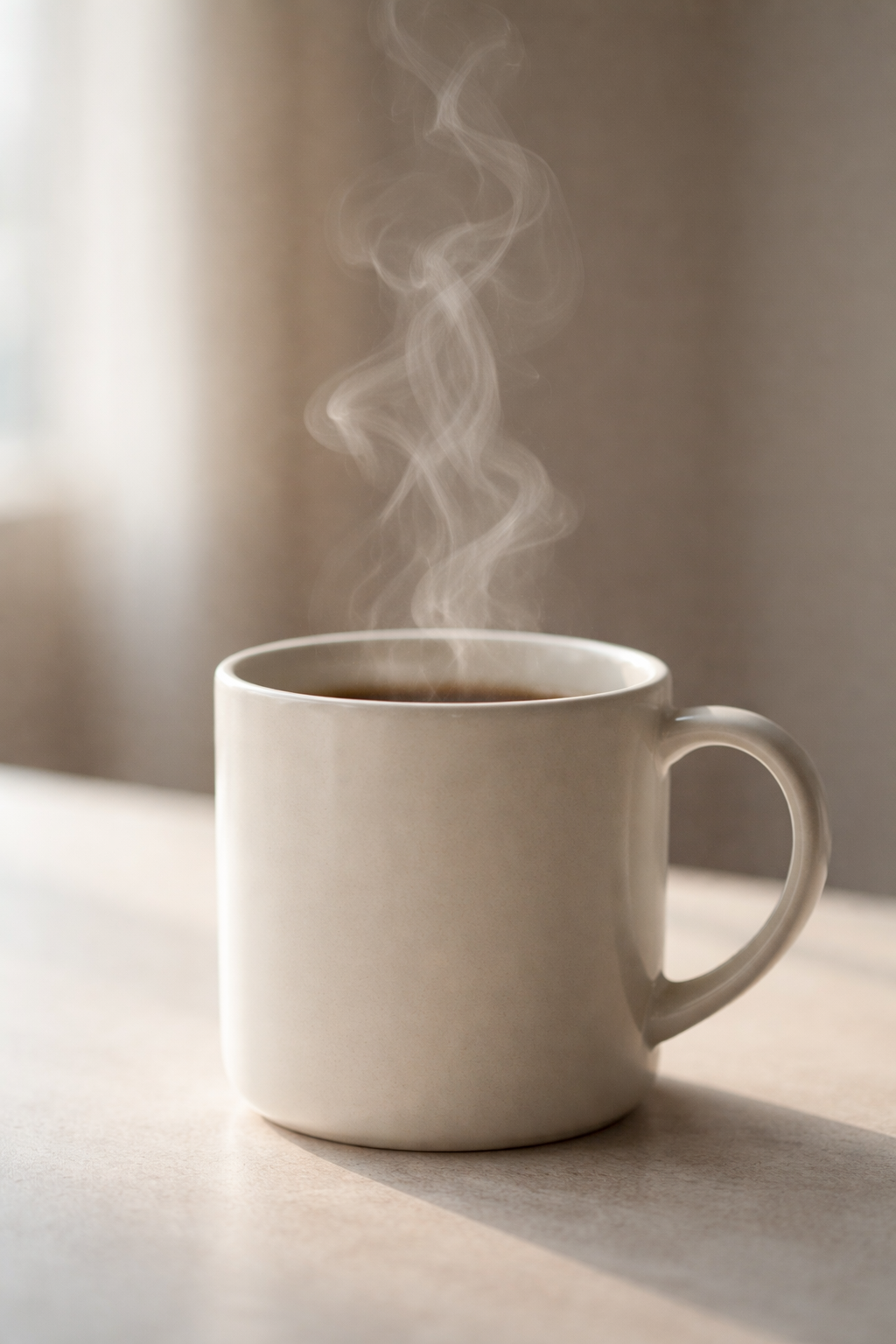 When someone says they’re “blowing off steam,” it sounds harmless. Necessary, even. Like pressure relief. But boiling isn’t gentle. Boiling is crossing a line where part of the substance itself leaves.
Words can leave like that.
Self-control can leave like that.
Peace can leave like that.
So what happens when we feel the heat rising?
Do we notice the small bubbles forming before something escapes?
“Be wrathful, but do not sin; do not let the sun set while you are still angry.” —Ephesians 4:26.
Water teaches this quietly. It warms first. It gives warnings—tiny movements, small bubbles that form and collapse before anything escapes. But once it boils, something is lost that doesn’t come back by accident.
The watched pot was never the lesson.
The clock was never the lesson.
The bubbles were.
But wait.
What’s that sound . . . ?
Edited by dljbsp
-
 3
3
-
 1
1
-
 2
2
1 Comment
Recommended Comments
Join the conversation with your brothers and sisters!
You are posting as a guest. If you are already a member, sign in now to post with your existing account.
Note: Your post will require moderator approval before it will be visible.