

Keep Fighting
-
Posts
1,416 -
Joined
-
Last visited
Keep Fighting's Achievements






-
 Can we get back to the topic? I thought I had landed on the oil and gas price index page. 🙂
 -
The decisions to deny Jehovah’s Witnesses state funding and registration are invalid. Vedtak om nekte Jehovas vitner statstilskudd og registrering er ugyldige Decision declaring invalid the denial of state subsidies and registration for Jehovah’s Witnesses Supreme Court judgment, 29 April 2026, HR‑2026‑1009‑A (Case no. 25‑089326SIV‑HRET), civil case, appeal from Borgarting Court of Appeal. The case concerns the validity of five administrative decisions denying state subsidies and one decision deregistering Jehovah’s Witnesses as a religious community, as well as the refusal to grant new registration. The State argued that the community’s practice of social shunning violates children’s rights and members’ right to freely withdraw, cf. the Religious Communities Act §6 and the European Convention on Human Rights (ECHR) Article 9. The Supreme Court reviewed the organization and teachings of Jehovah’s Witnesses, including the practice of disfellowshipping and social shunning, and the legal framework under the Religious Communities Act and freedom of religion under the ECHR. The Court emphasized that the threshold for denying subsidies and registration is high, and that §6 must be interpreted in light of religious autonomy under ECHR Articles 9 and 11. Children’s rights The Court unanimously found that the State had not provided sufficient evidence that Jehovah’s Witnesses subject minors to psychological violence or negative social control of such severity that children’s legally protected rights are violated. It emphasized internal guidelines for handling minors, that family bonds are not broken, and that there was no documented actual extent of disfellowshipping of children. Right to free withdrawal The Court assessed whether social shunning of former members violates the right to free withdrawal. The Court found that Jehovah’s Witnesses meet the requirement of free and unconditional withdrawal under §2 of the Act. A majority of three judges held that the practice does not constitute undue pressure in violation of ECHR Article 9. They emphasized that the practice is rooted in doctrine, known to members upon joining, and does not involve direct pressure, coercion, or threats. Gjeldende side The practice does not apply to family members in the same household, and family bonds are not broken for relatives outside the household. The majority concluded that the conditions for denying subsidies and registration were not met. Dissent Two judges dissented regarding whether the practice exerts undue pressure on members wishing to leave. They emphasized potential loss of contact with family members, especially minors, and that the practice is a rule‑based sanction intended to be a felt consequence. Gjeldende side The minority therefore believed the conditions for denying subsidies and registration were met. They also found that the refusal to register constituted an interference with religious freedom under ECHR Article 9(1), but that the interference was justified. Gjeldende side Clarification The judgment clarifies the threshold for denying subsidies and registration of religious communities, and how the rules must be assessed in light of religious freedom under the ECHR.
-
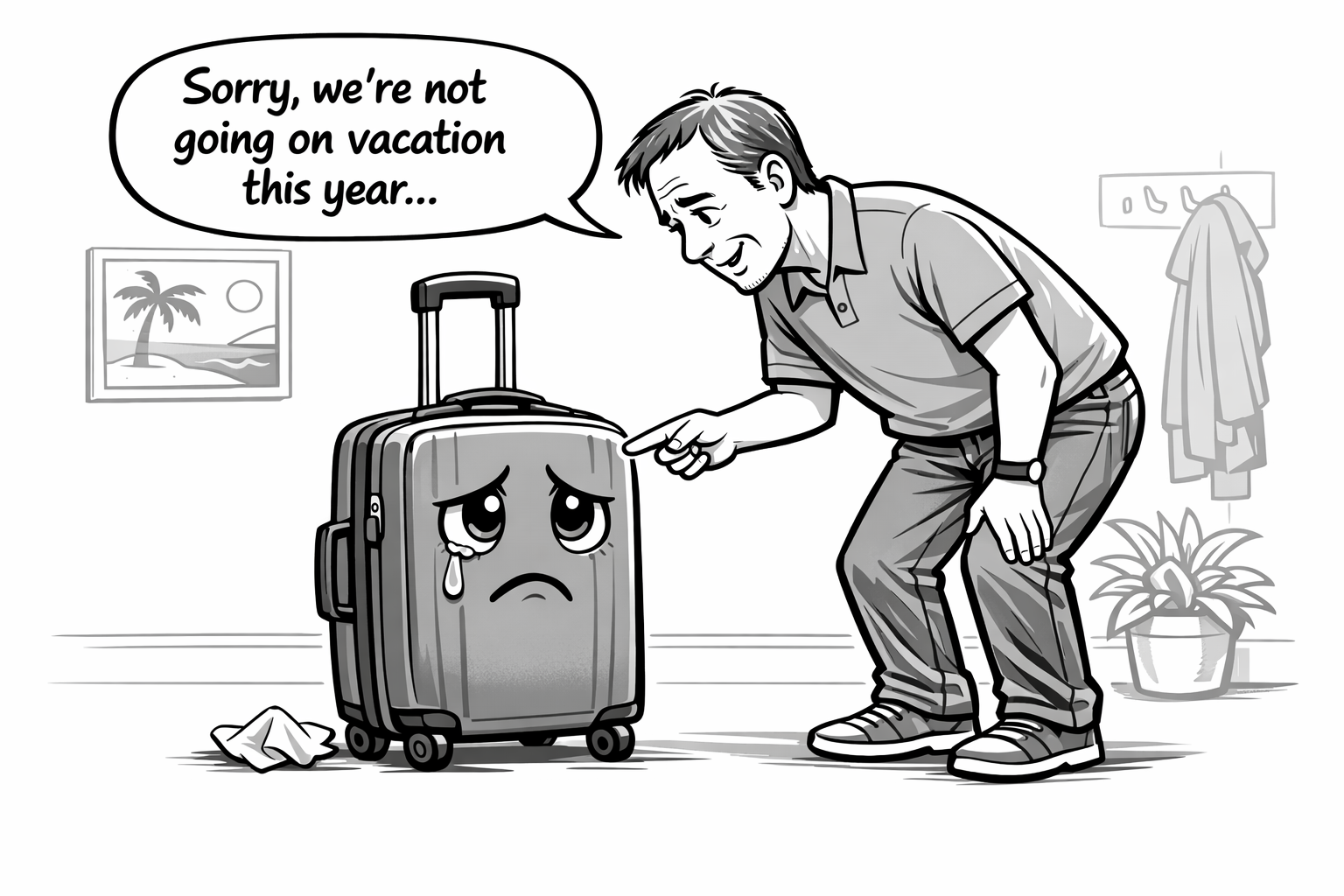
I told my suitcase we’re not going on vacation this year. Now it’s emotional baggage.

-
JW Broadcasting - April 2026
Keep Fighting replied to Kerv's topic in Encouragement for the Worldwide Brotherhood
Will it now be 136? -
WhatsApp Video 2026-03-09 at 14.20.34 (1).mp4
-
WhatsApp Video 2026-03-07 at 09.42.23.mp4

















.thumb.gif.503be83d9b641351930371e757a10eb4.gif)


About JWTalk.net - Jehovah's Witnesses Online Community
Since 2006, JWTalk has proved to be a well-moderated online community for real Jehovah's Witnesses on the web. However, our community is not an official website of Jehovah's Witnesses. It is not endorsed, sponsored, or maintained by any legal entity used by Jehovah's Witnesses. We are a pro-JW community maintained by brothers and sisters around the world. We expect all community members to be active publishers in their congregations, therefore, please do not apply for membership if you are not currently one of Jehovah's Witnesses.